
An Advance Subscription Agreement can help a UK tech startup raise investment before agreeing its final valuation. However, it is not the only option. Founders may also encounter SAFEs, particularly with US investors, or choose to issue shares through a priced equity round.
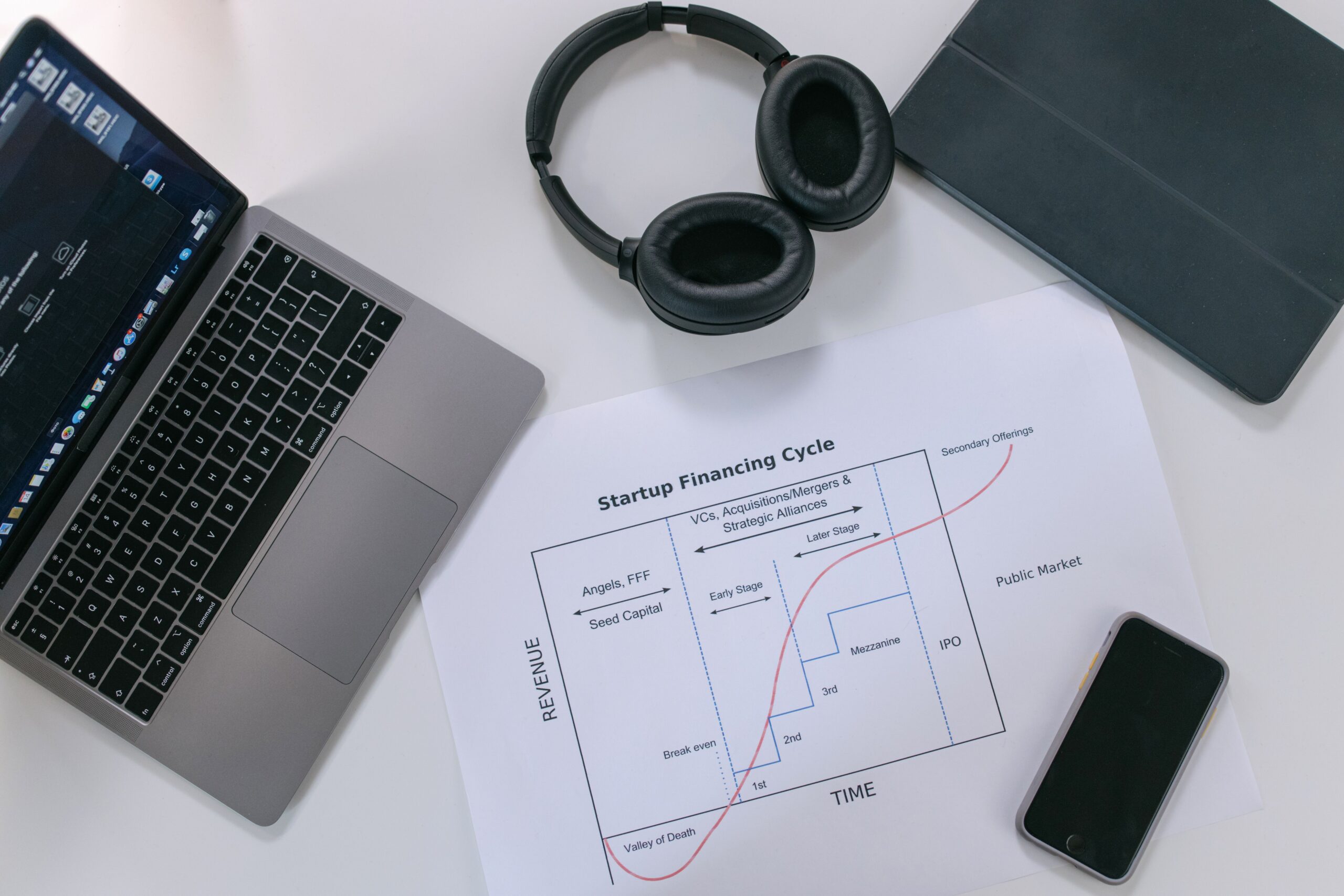
Each route can work, but they produce different outcomes for founders and investors. The structure can affect valuation, dilution, investor rights and the timing of a future funding round. It can also affect SEIS or EIS relief.
These issues are much easier to address before you sign an investment agreement. A simple funding arrangement can become more complicated when it converts or your next round begins.
At a glance
An Advance Subscription Agreement can postpone the valuation discussion.
An investor provides funding now and receives shares later. This can help when your startup needs capital before you can sensibly agree its valuation.
A SAFE is not simply another name for an ASA
US investors commonly use SAFEs, but those agreements were not designed around UK SEIS and EIS rules. Review the terms carefully before accepting investment through one.
A priced equity round gives you greater certainty over dilution
You agree the valuation and share price before issuing the shares. As a result, you know how much of the company the investor will own from the outset.
SEIS or EIS needs to form part of the funding discussion
If investors expect tax relief, consider the relevant conditions before agreeing the investment terms. Do not leave SEIS or EIS until after the money arrives.
Model your ownership before accepting the investment
Valuation caps, discounts and several outstanding agreements can produce unexpected dilution. Model your cap table after everything has converted.
Why use an Advance Subscription Agreement?
If you issue shares immediately, you and the investor usually need to agree what the company is worth. That valuation determines the share price and how much of the business the investor receives.
Suppose your startup has a £2 million pre-money valuation. An investor then subscribes £500,000 for new shares. Ignoring other adjustments, the investor would own 20% of the company after the investment.
For an established business, agreeing a valuation may be relatively straightforward. An early-stage technology company can present a much harder challenge.
You may have developed valuable software but have little recurring revenue. Perhaps you are preparing to launch an AI product. Alternatively, you may be close to signing a major customer.
Waiting for those milestones could support a higher valuation. That may allow founders to give away less of the company.
However, the business may need capital now. You might need developers, product development or enough runway to reach the next milestone.
An Advance Subscription Agreement can bridge that gap. The investor provides funding now and receives shares later under an agreed conversion mechanism.
You gain access to capital without completing a priced round immediately. However, you still need to understand what the investment could eventually cost in equity.
How does an Advance Subscription Agreement convert into shares?
Under an Advance Subscription Agreement, the investor pays money to the company before receiving shares. The agreement sets out when conversion happens and how the company calculates the share price
A future funding round often triggers conversion. New investors agree a valuation and subscribe for shares. The earlier investment then converts using the mechanism in the ASA.
That mechanism may include a valuation cap or conversion discount.
The agreement should also explain what happens if the expected round never occurs. A longstop date normally provides a deadline for issuing the shares.
For founders, the conversion formula matters. It determines how many shares the investor receives and therefore how much of the company they own.
Do not focus only on the cash coming into the business today. Work out what your shareholding could look like when the investment converts.
Can an Advance Subscription Agreement qualify for SEIS or EIS?
An Advance Subscription Agreement can form part of an SEIS or EIS funding round. However, the ASA itself does not give the investor tax relief.
The investor advances money for shares that the company will issue later. Those shares must satisfy the relevant SEIS or EIS conditions.
HMRC says an ASA intended for SEIS or EIS should not allow the company to refund the subscription. The agreement should not permit variation, cancellation or assignment. The money should not carry interest.
The ASA must also contain a longstop date for issuing the shares.
HMRC normally expects that longstop date to fall within six months of the agreement. A longer period can make Advance Assurance more difficult to obtain.
This can affect your funding timetable. You cannot assume an ASA can remain outstanding for nine or twelve months while you wait for another round
HMRC also confirms that SEIS or EIS relief only becomes available from the date of the share issue. Paying money under the ASA does not itself create the relief.
For founders, the practical message is simple. Consider SEIS or EIS while negotiating the investment, not after completing it.
Investor protections can put SEIS or EIS relief at risk
An investor using an Advance Subscription Agreement takes a genuine commercial risk. They provide capital before receiving their shares.
It is understandable that they may ask for additional protection. However, those protections need careful thought if the investor expects SEIS or EIS relief.
This is why HMRC's guidance on Advance Subscription Agreements specifically considers features such as repayment rights, interest and additional investor protections. The subscription should not be refundable, the agreement should not bear interest and its terms should not make the ASA operate more like a loan or another form of financing.
This becomes particularly relevant when an investor supplies their own agreement. A request may look commercially reasonable but still affect the UK tax analysis.
Consider the investor’s rights as a whole. Do not focus only on the amount raised, valuation cap or conversion discount.
If SEIS or EIS helped attract the investor, the commercial terms and tax position need to work together.
Addressing a problem during negotiations is much easier than trying to correct it after the investor has transferred the money.
Should you get SEIS or EIS Advance Assurance before signing an Advance Subscription Agreement?
If you are planning to seek HMRC Advance Assurance for an investment being made through an Advance Subscription Agreement timing matters. HMRC’s guidance says the Advance Assurance application should be made before the ASA is entered into
That can also matter commercially. Investors considering SEIS or EIS may want Advance Assurance before committing their money.
Advance Assurance does not guarantee that SEIS or EIS relief will ultimately be available. The company, the investor and the investment must still meet the relevant conditions when the shares are eventually issued
For founders, the practical approach is to consider SEIS or EIS from the start. Ideally, address Advance Assurance before you finalise and sign the investment agreement.
What is a SAFE and why might a UK founder encounter one?
A Simple Agreement for Future Equity (SAFE) is common in US startup funding. A UK founder may encounter one when raising money from a US investor or venture capital fund.
The commercial idea has similarities with an Advance Subscription Agreement. The investor provides capital now and expects to receive shares later.
However, SAFEs developed in the US market. They were not designed around UK SEIS and EIS legislation.
For a UK startup, the detailed terms matter more than the name on the document. A standard US SAFE may contain provisions that do not fit comfortably with the UK tax rules.
In our experience, this issue arises particularly where a UK startup is raising investment from a US investor who is more familiar with a SAFE than a UK Advance Subscription Agreement.
If an overseas investor sends you a SAFE, do not assume it works like a UK ASA. Review what the agreement actually gives the investor.
My US investor has sent me a SAFE – what should I check?
Start by understanding what happens to the investor’s money and how they eventually receive their shares.
Check when the SAFE converts and how the company calculates the conversion price. Does the investor receive a valuation cap or discount?
You should also understand what happens if the expected funding round never occurs. Consider the position if the company sells before conversion too.
Then look at any repayment rights or other investor protections.
For a UK company, you also need to consider the tax issues.
If the investor expects SEIS or EIS relief, do not assume a standard US SAFE produces the same result as an Advance Subscription Agreement designed with those reliefs in mind.
This does not mean a UK startup cannot use a SAFE. It means you should understand its terms before accepting the investment.
Ideally, your legal and tax advice should work together. Your solicitor can deal with the legal agreement and commercial terms. Your tax adviser can consider the UK tax consequences.
What does a valuation cap actually mean for a founder?
A valuation cap can sound like a technical term. In practice, it can determine how much of your company an early investor receives.
Suppose an investor puts £400,000 into your startup before a priced seed round. The agreement includes a £2 million valuation cap.
The company then grows quickly. By the seed round, new investors value the business much more highly. The earlier investor may still convert using the lower capped valuation. The exact result will depend on the agreement.
They therefore receive more shares for their £400,000 than someone investing at the higher seed-round valuation. That reflects the greater risk the early investor took.
For founders, however, the key issue is dilution. Model what happens when the investment converts. Then calculate what percentage you and the other existing shareholders will own.
How does a conversion discount affect your shareholding?
A conversion discount rewards an early investor in a different way. Instead of setting a maximum valuation, the agreement gives the investor a discount on the next round's share price.
Suppose new investors pay £1 per share. An earlier investor has a 20% conversion discount. Their investment could therefore convert at 80p per share. As a result, they receive more shares for the same investment.
Some Advance Subscription Agreements and SAFEs contain both a valuation cap and a conversion discount. The conversion terms determine how the two mechanisms interact.
Both can increase the number of shares issued to an early investor. Therefore, model your cap table after conversion rather than viewing either term in isolation.
What happens if you have several ASAs or SAFEs?
Several early investments can make the dilution calculation more complicated.
Suppose you raise £100,000 from one angel investor, £250,000 from another and £400,000 from an overseas investor. You sign the agreements at different times. One contains a valuation cap. Another gives a conversion discount. The third includes both.
Viewed separately, each investment may appear manageable. The position can look very different when you reach a priced seed round and all three investments convert into shares alongside the new funding.
As a result, founder dilution can look very different from today's cap table.
Before entering several ASAs or SAFEs, model the company's ownership on a fully diluted basis.
The key question is straightforward: what percentage of the company will you own after everything converts?
That figure tells you much more than the percentage currently shown against your name.
When might a priced equity round be the better option
An Advance Subscription Agreement can help when agreeing a valuation today would delay the investment. However, postponing the valuation is not always the best option.
If you and your investors can agree a valuation, a priced equity round provides greater certainty. Your investors know how many shares they are buying and you know exactly how much of the company you are giving away.
You also avoid a future conversion calculation. No outstanding ASA or SAFE sits on the cap table waiting to convert at the next round.
This can matter when you are considering several investments with different terms. Multiple caps, discounts and conversion mechanisms can create considerable complexity.
The right structure depends on the funding round. An ASA provides flexibility. A priced round provides greater certainty over valuation, ownership and dilution.
What happens when an ASA converts?
Receiving money under an Advance Subscription Agreement is only the first stage. The company must eventually convert the investment into shares.
When the conversion event occurs, calculate the shares due under the agreement. The company then needs to issue those shares formally.
You should update the statutory records and cap table to show the new ownership. The company must also report the allotment to Companies House on form SH01.
The share issue becomes particularly important where investors expect SEIS or EIS relief. Paying money under an ASA does not qualify the investor for relief. The company must first issue the relevant qualifying shares and meet the other conditions.
Do not file away the ASA once the cash reaches the bank. Keep track of the conversion and complete the share issue properly.
What if your next funding round does not happen?
Founders often enter an Advance Subscription Agreement expecting another funding round to trigger conversion. However, startup plans can change.
Your seed round may take longer than expected. The company might become profitable and no longer need it. You may also find another source of finance.
This is why you need to understand the conversion terms and longstop date before signing.
If the expected round never happens, when will the investor receive shares? How will the company calculate the number of shares?
These questions become more important when the investor expects SEIS or EIS relief.
The investor cannot claim relief simply because they paid money under the ASA. The company still needs to issue qualifying shares within the relevant timeframe. The agreement should therefore work if your funding plans change as well as when everything goes to plan.
Don't leave SEIS or EIS until after the funding round
If SEIS or EIS relief is important to your investors, it needs to be considered before you finalise the terms of the funding round.
Once you sign the agreement and receive the money, you have already made many important decisions. At that point, the investor's rights and investment terms have been agreed. You may also have established when and how the company will issue the shares.
If those arrangements do not meet the SEIS or EIS conditions, applying for the relief afterwards will not necessarily solve the problem.
Build SEIS or EIS into the funding process from the beginning. This allows you to consider the investment terms, Advance Assurance and eventual share issue together.
What should you know before accepting the investment?
Before signing an Advance Subscription Agreement, SAFE or subscription agreement, understand what the investment means for your company and your ownership.
Start with the amount you are raising and what the investor receives in return. If you plan to issue shares now, what valuation have you agreed? If you plan to issue them later, how will you calculate the conversion price?
Consider the effect of any valuation cap or discount. Understand when the investment must convert and what happens if the next funding round never occurs.
If SEIS or EIS forms part of the deal, establish whether the investor expects relief. You should also consider whether to obtain Advance Assurance before signing.
Finally, look beyond each individual investment. Model your cap table after every outstanding ASA and SAFE has converted.
Before accepting the money, you should understand not just how much you are raising, but how much of your company you are likely to own afterwards.
Your funding round has completed – what happens next?
Completing your funding round is an important milestone. However, the tax and accounting work continues after the money arrives.
The company needs to record the investment correctly, issue and report shares where required and update its statutory records and cap table. If SEIS or EIS is involved, there will also be compliance steps to complete before investors can claim their relief
You then need to decide how to use the new capital. You may recruit employees, increase development spending or engage overseas developers. You might also introduce an EMI share option scheme.
Founder remuneration may change too. The company may also repay existing founder loans.
We cover these issues in more detail in Tax Issues After a Tech Startup Funding Round: A Founder's Guide. Technology founders can also find our wider guidance on funding, R&D, remuneration and scaling through our AI, SaaS & Tech Startup Accountants hub
Before investment, the priority is getting the funding structure right. Afterwards, the focus moves to managing the capital and the company's growth.
Advance Subscription Agreement, SAFE or equity round: which should you choose?
There is no single funding structure that will be right for every startup.
If you and your investors can agree a valuation, a priced equity round can provide certainty over the number of shares being issued and the resulting ownership from the outset.
If agreeing a valuation now would be difficult, an Advance Subscription Agreement may provide more flexibility. It allows you to raise capital now and determine the share issue later.
A SAFE from a US or overseas investor may also work. However, review it in the context of a UK company. This becomes especially important where SEIS or EIS relief forms part of the investment.
Whichever route you choose, look beyond the amount of money being raised.
Understand how the investor receives their shares. Know the price they will effectively pay. Model the effect on your ownership and consider what happens at the next funding round.
A good funding structure should help you raise the capital needed to grow. It should not create an avoidable problem when you raise again.
Raising investment for your tech startup?
Raising investment brings together a number of decisions about valuation, ownership, tax and the future direction of the business. Getting the structure right from the outset can make the process much easier. This is particularly important where investors expect SEIS or EIS relief.
At The Friendly Accountants, we advise technology founders throughout the funding process. Our work includes SEIS and EIS, ASAs, overseas investment and the tax issues that arise as a startup grows.
If you are preparing for an angel, seed or early-stage funding round, consider the tax position before finalising the terms. We can work alongside your solicitor so that the legal and tax advice work together. This helps you understand how the proposed investment fits with your wider plans.
If you would like to discuss an upcoming funding round or an investment you are currently negotiating, please, complete our Business Questionnaire and a member of our team will be in touch.