
Navigating the tax landscape for peer-to-peer (P2P) lending can be complex. In this post we discuss the tax treatment of P2P lending. This is a different form of investment from say crowdfunding , which we've covered in a previous article.
What is P2P lending?
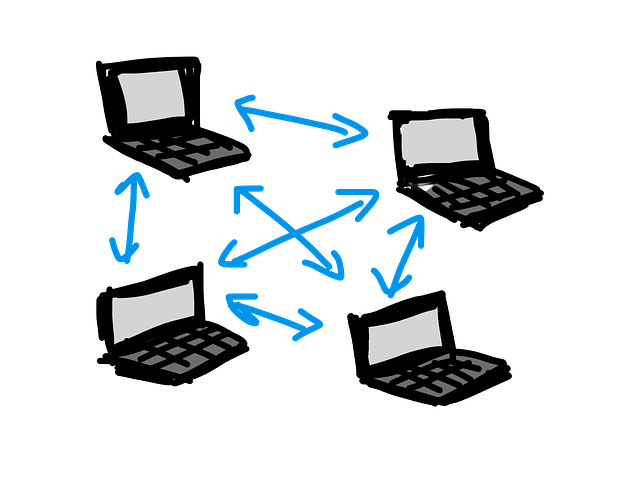
Peer-to-peer (P2P) loans are loans made by private lenders to other businesses via an online intermediary platform. Loanpad is one of the most well known examples of these lending platforms. This article considers the tax treatment of P2P loans made by private individuals.
Interest on P2P loans
The starting point for considering the tax treatment of P2P lending is how the interest paid on loans is taxed.
Interest from P2P lending is taxable, similar to other types of interest income.
Lenders must report P2P interest on their tax returns and pay Income Tax through Self Assessment.
Since 6 April 2017, platforms generally pay P2P interest without deducting of income tax.
Before this date, the tax treatment varied depending on the lender and borrower's specifics. As a result, this complicated withholding tax requirements.
Dealing with bad debts on P2P loans
If a P2P loan becomes irrecoverable, lenders can offset this loss against other P2P interest received within the same tax year.
What's more, this relief is automatic, meaning no specific claim is needed initially.
Relief applies only to other P2P income, not other types of income, but unused relief can be carried forward for up to four years. Here, a claim must be submitted via the tax return.
Excess relief for P2P bad debts available to carry forward does not need to be included on your tax return. However, records should be kept of carry forward relief in order to make a claim in a tax return for a future period.
Conditions for Tax Relief on Bad Debts
The P2P loan must be genuinely irrecoverable, not merely late in being repaid. The amount of relief available is the amount still outstanding from the borrower which is irrecoverable. Additionally, lenders must be:
Recovery of debts after relief has been claimed
If a debt for which relief was claimed is later repaid, this recovered amount must be declared as P2P income in the tax year it is received.
Summary
Whether you're just starting with P2P lending or are looking to understand potential deductions due to bad debts, it's crucial to understand the tax treatment of P2P lending.
For more useful information, check out our Ebooks here.
And if you'd like to know how we can help you with all of this, or with anything else, feel free to give us a call on 01202 048696 or email us at [email protected].
Alternatively, please feel free to complete our Business Questionnaire here.